
California’s immigration social workers are facing the most expansive federal enforcement effort in modern history. From sanctuary state legal battles to direct client support, social workers across school, mental health, healthcare, and housing settings are preparing for what comes next — and California’s history shows they’ve fought this before.
They started lining up on November 6, before the TODEC Legal Center in Riverside even officially opened for the day.


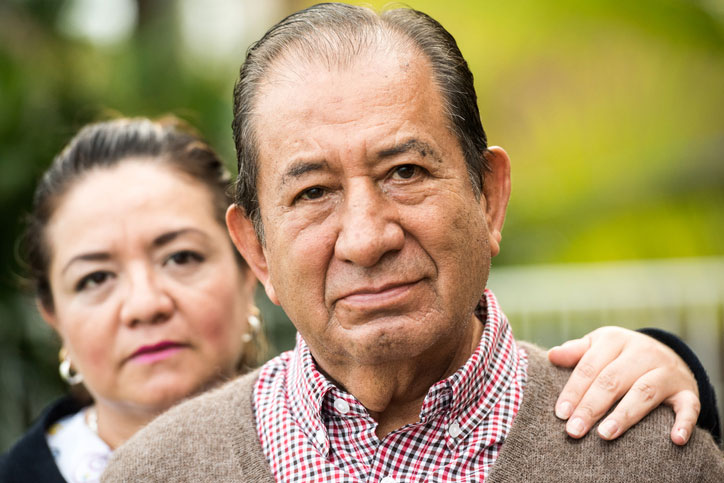
Among them were a cross-section of Californians any local social worker would recognize: Legal permanent residents urgently trying to apply for citizenship. A woman in the country illegally, whose children were afraid to go to school in case she was found and deported while they were gone. A man afraid to go to work where he could be seen and detained. Refugees worried that the fact their home addresses were on file with the federal government could make them easy targets in deportation sweeps.
While it’s a scene from a movie for many Americans, some of these people come from countries where it wasn’t entirely uncommon for government agents to pull you from your bed in the dead of night.
With a zero-tolerance immigration enforcement policy now in effect under the Trump administration, it is all too real for undocumented people living right here in California. Immigration social workers in the state are on the front lines and the rest of the field isn’t far behind.
History May Not Repeat, but It Sure Does Rhyme
For immigration social workers in California, this is deja vu. Trump’s first term came with plenty of anti-immigrant fervor.
The poorly conceived Muslim ban fizzled under a withering assault of constitutional legal arguments pressed by nonprofits and state attorneys general, including California’s. It went away entirely on January 20, 2021, when Joe Biden took office.
But all of it was only a preview of what is now the most expansive enforcement program of its kind in modern history.
California Is a Prime Target for Anti-Immigrant Sweeps
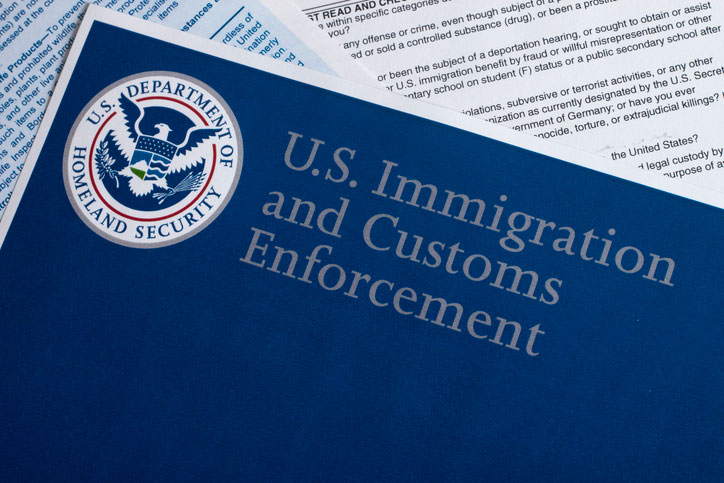
California is likely to be ground zero.
Trump and his proxies have repeatedly held California up as an example of mismanaged liberal failures and a state overwhelmed with immigrant criminality. As a self-declared sanctuary state with laws that prevent local law enforcement from being used as agents of federal roundups, California is at the top of the list for immigration enforcement sweeps.
They’ll Come for California’s Immigrant Population First
California is the most diverse state in the nation, with more than 40 percent Hispanic, and the highest proportion of immigrants in its population. Most of the state also falls within the 100-mile Border Zone, a buffer around land and sea borders where Border Patrol enjoys expanded powers of search and seizure. That combination makes California an obvious first target.
How California’s Social Workers Are Preparing for the Coming Sweeps
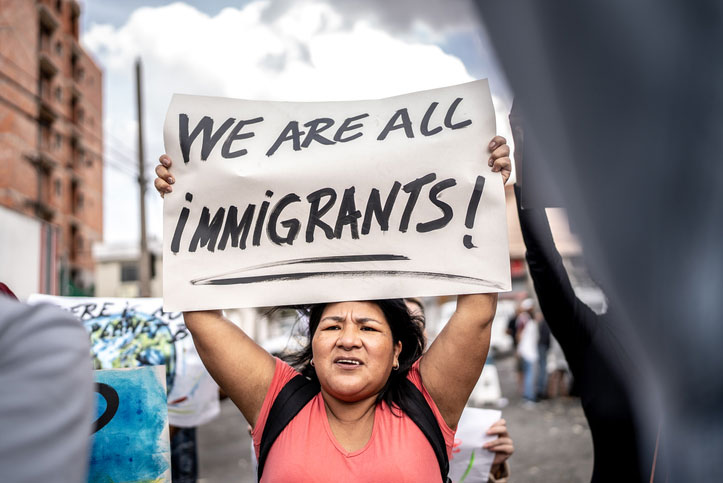
With both the lessons of recent history under the last Trump administration and a lengthy list of campaign promises, social workers have had fair warning. They’ve had time to put together a playbook.
Legal Challenges Are Already in Motion
Attorney General Rob Bonta put staff to work preparing filings for legal challenges against proposed immigrant sweeps. Earlier in 2024, the state passed legislation allowing county health workers access to federal immigration detention centers. While they have no real authority to relieve unsafe conditions, they can at least shine a light on the worst abuses.
The scale of the proposed sweeps is so large that it’s almost impossible to pull off without significant private sector support. California has a proven track record of inspecting and fining the kind of for-profit prison operators likely to be involved — and it hasn’t been shy about using state law to challenge the federal use of such facilities.
Social workers are also pressing the governor, who has sole authority to offer pardons for California state criminal prosecutions, to begin pardoning immigrants with old criminal convictions. This could help shield them from the first waves of sweeps, which are likely to focus on those with criminal records, even people who have long since been rehabilitated.
There Will Be Work for Immigration Social Workers Even Before Any Roundups Begin
More immediately, immigration social workers have to cope with the impact of rhetoric from the White House that denigrates and vilifies immigrants of all kinds in California.
Incendiary language targeting Muslims, Chinese, and immigrants in general has been shown to be correlated with spikes in violence against each of those groups. Without a single federal deportation action, right-wing groups in California or surrounding states could engage in independent action against immigrants.
Immigration social workers know this isn’t going to be a well-reasoned process. Just looking or sounding different is enough to make people targets. That means the problem isn’t restricted to social workers who specialize in working with immigrant populations. Many parts of the field can expect an uptick in demand:
- School social workers
- Mental health social workers
- Medical and healthcare social workers
- Housing and job assistance social workers
A History of Victory Comes With California Social Workers Supporting Immigrant Rights
One massive positive for social workers in California staring down four-plus years of relentless enforcement pressure: the state government will have your back. When you compare that to the position of social workers in Texas, Florida, Arizona, or other immigrant-heavy parts of the country, that’s a real advantage.
California Called a Special Session to Push Back
In December 2024, Governor Newsom called the legislature back into special session expressly to develop additional safeguards against federal overreach. That’s not a symbolic gesture. It’s the state committing institutional resources to the fight.
It’s also the case that social workers here benefit from MSW programs that explore the long history of anti-immigrant movements the state has gone through. From the Chinese Exclusion Act to Prop 187, there’s nothing in the current moment of bigotry and intolerance that they haven’t already learned about or fought against.
That preparation also brings hope: for all that the moment may seem dark, social workers here recognize that our better angels eventually shine through. Still, it’s a good time to review self-care resources and consider how to maintain perspective through the crisis.
California’s Social Workers May Win Simply by Resisting
While the state and social services nonprofits can only do so much to tie down the federal government in court, those efforts drain resources from active deportation efforts. The proposed number of deportations ranges into the millions — but nothing happens for free.
The average cost per removal in 2016, just before Trump took office last time, was almost $11,000. With inflation and the added complexity of post-COVID logistics, those costs have only increased. The American Immigration Council estimated the cost of removing 1 million immigrants per year over a decade could reach $960 billion — roughly the entirety of the federal budget deficit for 2019.
The money to pay for it doesn’t come out of thin air, and the removals don’t happen overnight. Every dime the federal government incurs in court costs and every day a removal is delayed works against the effort.
Incoming administration officials have promised to punish sanctuary states by stripping federal funding for everything from law enforcement to healthcare. But they may face an ugly surprise in California. The state is the largest single contributor of revenue to the federal government. Any systematic attack on the California economy through forced deportations will ultimately cut the resources available to conduct those deportations.
It promises to be a turbulent era for immigration social workers and the broader field in California. But as in all such times, social workers are exactly the ones who will light the way forward.
Frequently Asked Questions
What does zero-tolerance immigration enforcement mean for California social workers?
Zero tolerance enforcement means a sharp increase in demand across nearly every social work specialty — not just immigration. School, mental health, healthcare, and housing social workers can all expect clients who are frightened, displaced, or separated from family members. California’s sanctuary state protections offer some buffer, but social workers should prepare for a sustained surge in need.
Can California legally resist federal immigration enforcement?
California cannot stop federal agents from operating within the state, but it can and does limit how state and local resources are used. California law prohibits local law enforcement from acting as agents of federal immigration sweeps. The state is also pursuing legal challenges through the attorney general’s office and has passed legislation increasing oversight of federal detention facilities operating in California.
Which types of social workers will be most affected by immigration enforcement?
Immigration social workers will feel the most direct impact, but the effects will spread quickly. School social workers will encounter children afraid to attend class. Mental health social workers will see increases in trauma, anxiety, and crisis presentations. Healthcare and housing social workers will face clients who are avoiding services out of fear of exposure. The ripple effects touch the entire field.
How are California’s MSW programs preparing students for this environment?
California’s MSW programs have long incorporated the state’s history of anti-immigrant legislation — from the Chinese Exclusion Act to Proposition 187 — into their curricula. That history gives graduates context and tools for the current moment. Programs also emphasize trauma-informed practice, community advocacy, and policy engagement, all of which are directly relevant right now.
What self-care resources are available for social workers facing this kind of sustained stress?
Sustained advocacy work under hostile political conditions takes a serious toll. California’s social work community has robust self-care and peer support resources. Reviewing those resources proactively, before burnout sets in, is a practical step every social worker in the state should take right now.
Key Takeaways
- ✓California is a primary target — As a sanctuary state with the nation’s largest immigrant population and the 100-mile Border Zone, California faces enforcement pressure unlike any other state.
- ✓The impact goes beyond immigration specialists — School, mental health, healthcare, and housing social workers will all see increased demand from frightened and displaced clients.
- ✓California’s legal and legislative response is active — The AG’s office, the state legislature, and county health agencies are all taking concrete steps to push back against federal overreach.
- ✓Resistance has real financial teeth — Every court delay and legal cost imposed on federal enforcement operations drains the resources available to carry them out.
- ✓Social workers here have context others don’t — California’s MSW programs prepare graduates with the history and tools to navigate exactly this kind of moment.
California’s immigrant communities need social workers who are trained, grounded, and ready to stand between vulnerable people and an indifferent system. Find the program that prepares you for that work.