

Social work jobs in San Francisco span child welfare, healthcare, mental health, criminal justice, and more – all backed by a large municipal social services budget. Median salaries range from $71,810 to $103,440 depending on specialty, but the Bay Area’s high cost of living means your purchasing power is lower than those figures suggest compared to other California cities.
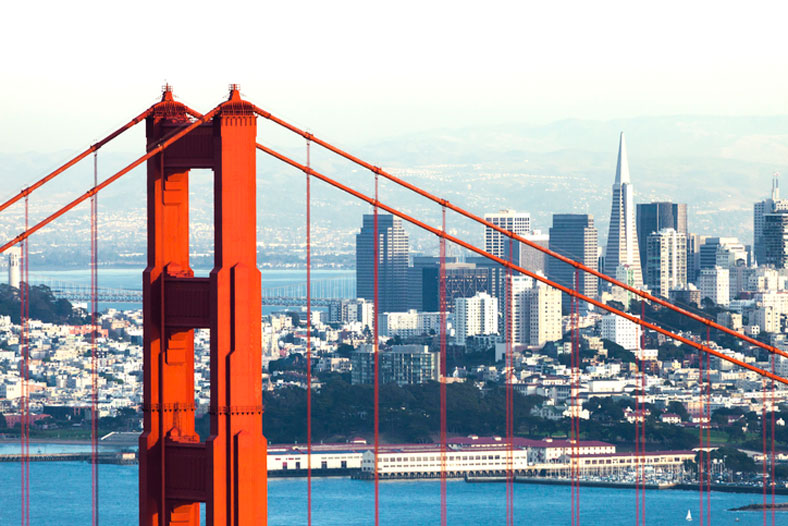


San Francisco has an unmistakable pull. Over the centuries, gold prospectors, flower children, and tech titans alike have flocked here in search of something – fortune, freedom, a better life. But in more recent years, the city’s residents have grown less optimistic about its direction. A 2022 San Francisco Chronicle poll found that 65% of respondents felt the city was in worse shape than ever, with many pointing to widely reported challenges, including homelessness, property crime, and infrastructure, as their primary concerns.
These aren’t small problems. They’re also not unfixable ones – and they’re the kind of problems social workers are trained to address. San Francisco is home to a large network of social service agencies, each staffed by people doing some of the hardest, most necessary work in California. If you’re drawn to urban social work – the kind that operates at the intersection of housing, mental health, economic inequality, and public policy – this city needs you. Here’s what that work looks like, what it pays, and what the Bay Area’s cost of living actually means for your career.
Types of Social Work Jobs in San Francisco
Many social work jobs in San Francisco run through the San Francisco Human Services Agency (SFHSA). With a yearly operating budget of over $1 billion, the SFHSA coordinates services across the city’s most pressing needs.
- Housing stability and homelessness prevention
- Financial aid and poverty relief
- Assisting veterans and their dependents
- Immigration, legal, and employment support
- Senior in-home care and community engagement
- Child welfare and abuse prevention
- Healthcare access and affordability
- Nutrition programs
- Services for people with disabilities
But the SFHSA isn’t working alone. The city’s nonprofit sector, county agencies, and research institutions all employ social workers across a wide range of specializations. Here’s a closer look at the areas where need is most frequently cited.
Criminal Justice and Corrections Social Work
San Francisco has a lower rate of violent crime than several other major California cities, including Oakland and Los Angeles, but the Public Policy Institute of California has reported that the city has had among the highest property crime rates in the state, including arson, burglary, and motor vehicle theft. Researchers and policy analysts point to housing instability, income inequality, mental health gaps, and substance use as underlying drivers. Criminal justice social work in San Francisco isn’t primarily about managing offenders. It’s about reaching people in crisis before – and after – the justice system gets involved.
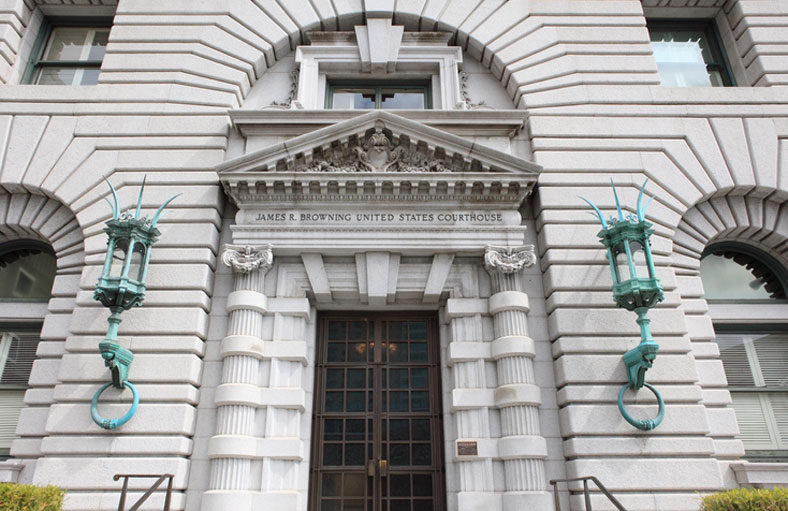
San Francisco’s probation and parole offices and its Community Justice Center focus on connecting people with housing, job training, and wraparound services that support reintegration. San Quentin State Prison – located in Marin County, just across the bay – employs clinical social workers to provide healthcare and psychotherapeutic services to incarcerated individuals. Social workers focused on victim services often work for the District Attorney’s Office, the Victim Services Division of the San Francisco Police Department, and organizations dedicated to survivors of rape, hate crimes, and other violent offenses.
Homeless Outreach Social Work
In 2022, the San Francisco Department of Homelessness and Supportive Housing (HSH) estimated that as many as 7,700 people in the city were experiencing homelessness, and 59% had been homeless for a year or more. That’s not a temporary crisis. It’s an entrenched one. HSH reports have also indicated reductions in the unsheltered population over that period, though figures vary by methodology and year, and the overall numbers remain high.
Homeless outreach social work jobs in San Francisco are available through the HSH, the Department of Public Health, and dozens of neighborhood-based nonprofits. Teams provide mental health assessment and counseling, substance use services, crisis intervention, and connections to housing and employment programs. Many social workers in this space also engage with local policy – drafting ordinances, testifying before the Board of Supervisors, and building the case for systemic change.
School Social Work
The San Francisco Unified School District (SFUSD) serves a student population that reflects the city’s deep economic divides. Significant numbers of students are unhoused, food insecure, or living in poverty – often in the same zip codes as some of the wealthiest households in the country. School social workers here navigate that tension daily, connecting families to public benefits, supporting students experiencing trauma, and working alongside teachers and counselors to keep children engaged and learning.
SFUSD employs credentialed school social workers across its elementary, middle, and high schools, with particular demand reported in schools serving high-need populations. Bilingual social workers are especially sought after in a district where dozens of languages are spoken at home.
Immigrant and Refugee Social Work
San Francisco has one of the highest proportions of foreign-born residents of any major U.S. city, with immigrants making up a substantial share of the population. Social workers in this space provide legal navigation, employment support, language access services, and mental health care for people who often face significant barriers to both services and trust. The city’s status as a sanctuary city creates a particular context: agencies here work actively to serve undocumented residents without cooperation with federal immigration enforcement.
Roles in this area typically involve:
- Helping families access public benefits and enroll children in school
- Connecting clients to immigration legal aid services
- Providing trauma-informed mental health support
- Working with school counselors to ensure equitable educational access
- Advocating for clients’ legal, medical, and basic human rights and providing translation services when needed
Government agencies such as the San Francisco Human Rights Commission enforce the city’s anti-discrimination laws and employ social workers and policy specialists to do so. Nonprofit organizations – particularly neighborhood-based cultural centers – are often on the front lines with the city’s most marginalized communities.
Racial and Social Justice Social Work
San Francisco’s history is inseparable from movements for civil rights, labor justice, LGBTQ+ rights, and racial equity. Social workers operating in this space often work at the policy level – drafting legislation, leading advocacy campaigns, and building coalitions. The city’s government agencies, particularly the Human Rights Commission and the Department of Public Health’s equity programs, employ social workers in roles that blend direct service with systems-level advocacy.
Information Technology in Social Work
Social work depends on understanding what problems communities face, how many people are affected, and which interventions actually work. If you’re drawn to using research and technology to improve social services, San Francisco offers a strong environment for that work. The Public Policy Institute of California – one of the state’s leading social science research organizations – is headquartered here. City government agencies, healthcare systems, and universities conduct ongoing research to inform decision-making and promote public accountability. Keep in mind that research and technology roles may require additional certifications or IT experience alongside your social work degree.
Social Work Salaries in San Francisco
The pay is real – and so is the cost of living. San Francisco’s social work salaries are among the highest in California, and the May 2024 BLS Occupational Employment and Wage Survey data for the San Francisco–Oakland–Fremont metropolitan area reflects that. To see how San Francisco salaries compare statewide, the MSW Salary in California page breaks down figures by specialization. But before getting into the numbers, it’s worth being direct: a median salary here comes with significantly lower purchasing power than the same figure in Sacramento, Fresno, or most other California metros. We’ll address that honestly after the table.
Salaries vary by specialty, employer, years of experience, and whether you hold an MSW and a California clinical licensure. Social workers with a Master of Social Work (MSW) degree and an LCSW license consistently earn toward the higher end of these ranges.
| Specialization | 10th Percentile | 25th Percentile | Median | 75th Percentile | 90th Percentile |
|---|---|---|---|---|---|
| Child, Family, and School Social Workers | $53,440 | $58,620 | $71,810 | $99,210 | $124,050 |
| Healthcare Social Workers | $59,440 | $76,880 | $103,440 | $135,720 | $157,930 |
| Mental Health and Substance Abuse Social Workers | $54,450 | $63,360 | $78,660 | $126,460 | $147,870 |
| Social Workers, All Other | $54,280 | $59,850 | $76,330 | $121,210 | $147,200 |
What Bay Area Salaries Actually Mean
San Francisco’s salaries are high by design – they have to be. The Bay Area consistently ranks among the most expensive regions in the country. A one-bedroom apartment in the city can run well over $3,000 per month. Groceries, transportation, and childcare all carry significant premiums over the national average. For social workers earning near the median, particularly in child welfare or community-based roles, the financial pressure is real. Higher nominal pay does not translate to higher purchasing power here – it offsets a cost structure that most other California cities don’t carry.
That said, the upper end of these salary ranges – particularly in healthcare and mental health – is worth taking seriously. Social workers who earn an LCSW license and build clinical experience can access hospital systems, county behavioral health departments, and private practice opportunities that push well above the median. Many experienced social workers supplement agency work with private caseloads. San Francisco’s public sector employers – the city, SFUSD, UCSF, and county agencies – often offer pension benefits, student loan repayment programs, and health coverage that partially close the cost-of-living gap.
The honest picture: building a financially stable social work career in San Francisco is achievable, but it typically requires an MSW, clinical licensure, and deliberate career planning. The city isn’t the easiest place to start. For the right person, it’s one of the most impactful places to work.
Frequently Asked Questions
What are the most in-demand social work jobs in San Francisco right now?
Homeless outreach, behavioral health, and child welfare roles are among the most frequently cited high-need areas in San Francisco. The city’s mental health crisis, housing instability, and large immigrant population drive need across multiple specializations. Healthcare social workers at UCSF and Zuckerberg San Francisco General Hospital are also commonly sought, particularly those with clinical licensure.
Do I need an MSW to get a social work job in San Francisco?
Not always. Some entry-level case management and outreach roles accept a BSW or a related bachelor’s degree. Higher-paying positions – particularly those requiring clinical supervision or independent practice – typically require an MSW and California licensure. LCSW licensure is generally required for independent clinical practice in hospital systems and behavioral health departments.
How does San Francisco’s cost of living affect social work salaries?
Meaningfully. San Francisco’s median social work salaries are among the highest in California, but the city’s cost of living is also among the highest in the country. Higher salaries here reflect a higher cost structure, not greater purchasing power – a median salary in San Francisco typically buys less than the same figure in Sacramento or other California metros. Social workers who reach the upper salary tiers through clinical licensure and experience tend to find the financial picture more workable.
Who are the major employers of social workers in San Francisco?
The San Francisco Human Services Agency (SFHSA), SFUSD, the Department of Public Health, Zuckerberg San Francisco General Hospital, UCSF Health, and the Department of Homelessness and Supportive Housing are among the largest public employers. The nonprofit sector also employs significant numbers of social workers across specializations, particularly in homeless services, immigrant support, and behavioral health.
Can I work as a social worker in San Francisco without living in the city?
Many social workers commute from the East Bay, South Bay, or Marin County, where housing costs can be lower. The Bay Area’s BART system and regional transit make commuting workable for some roles, though feasibility varies depending on hours and location. Remote and hybrid options have expanded in some administrative, policy, and clinical roles since 2020, while direct service positions remain primarily in-person.
Key Takeaways
- ✓San Francisco’s need is broad and ongoing: The city’s interconnected challenges in housing, mental health, and inequality create sustained demand for social workers across every major specialization.
- ✓Salaries are high, but purchasing power is lower: 2024 BLS OES data shows median salaries from $71,810 to $103,440, but Bay Area costs mean those figures carry less real-world weight than they would elsewhere in California.
- ✓MSW and LCSW licensure unlock the upper ranges: Entry-level roles are accessible with a BSW, but LCSW licensure is typically required for independent clinical practice and the positions that pay at the higher end of the scale.
- ✓The city has multiple large employers: SFHSA, SFUSD, UCSF, county health departments, and a dense nonprofit sector, all of which hire social workers, offering variety across settings and roles.
- ✓Living outside the city is a viable option: Many Bay Area social workers commute from the East Bay or South Bay, where housing costs are more manageable, with access to regional transit for some roles.
San Francisco needs social workers who can hold the weight of the city’s hardest problems – and keep showing up. If you’re ready to build the credentials that make that possible, start with the right MSW program.
2024 US Bureau of Labor Statistics job market trends and salary figures for child, family, and school social workers, healthcare social workers, mental health and substance abuse social workers, and social workers (all other) are based on California State and city data, not school-specific information. Conditions in your area may vary. Data accessed April 2026.