In California, you don’t need a master’s degree to enter social work — a bachelor’s degree in social work typically qualifies you for generalist roles. But if you want to specialize, move into supervision, or work clinically as a Licensed Clinical Social Worker (LCSW), a master’s degree from a CSWE-accredited program is required.



California has one of the largest and most complex social service systems in the country. From the Central Valley to the Bay Area, communities face housing crises, mental health emergencies, and a child welfare system that’s stretched thin. The people doing that work range from BSW-level generalists connecting families to resources to clinical social workers providing trauma therapy to survivors of abuse. The degree you need depends entirely on the role you want to fill — and how deep into the work you want to go.
Here’s how education requirements break down in California, and what each level of degree actually opens up for you.
BSW vs. MSW: What’s the Difference in California?
A Bachelor of Social Work (BSW) is a common entry point into the field, though some roles accept related bachelor’s degrees. At the BSW level, you’re prepared for generalist practice: working directly with individuals and families, connecting clients to services, and contributing to community programs — without independent clinical authority. Explore BSW programs in California if you’re starting from the ground up.
A Master of Social Work (MSW) opens the path to specialization, supervision roles (typically with licensure and experience), and clinical licensure. If you want to provide therapy or work independently in a clinical setting, the MSW is the path. In California, the only clinical social work license issued by the state is the LCSW credential — and it requires an MSW from an accredited program.
California’s Licensing Requirement
The California Board of Behavioral Sciences (BBS) oversees the LCSW credential — the only clinical social work license issued by the state. Only graduates of CSWE-accredited MSW programs are eligible to apply for licensure. A BSW alone will not qualify you.
How Long Does It Take to Earn a Social Work Master’s Degree?
Traditional MSW programs typically take two to three years to complete, including required fieldwork hours. Most students enter directly from a BSW or another bachelor’s degree, complete a first-year foundation curriculum, and then move into a concentration in their second year.
If you’ve already completed some undergraduate social work coursework, you may qualify for an advanced standing MSW program, which can be completed in one year. These programs are designed for students who’ve demonstrated foundational competency and want to move directly into graduate-level work.
After you earn your MSW, licensure adds more time to the path. The California LCSW licensing process requires passing the California Law and Ethics Exam and the ASWB Clinical Exam, and licensure timelines vary depending on exam scheduling and completion.
Do MSW Programs Require a Thesis?
Most MSW programs in California don’t require a thesis. The emphasis is on field education, not research production. Practicums place you in real social work settings — child and family service agencies, hospitals, mental health clinics, policy organizations — where you apply classroom theory under the supervision of experienced practitioners. See field education requirements in California MSW programs for what to expect from your practicum.
According to the National Association of Social Workers, field placement is a defining feature of social work education. It’s how the profession ensures graduates are ready to work with real people in real systems — not just describe them on paper.
How Do I Choose an MSW Program?
California has a wide range of CSWE-accredited MSW programs, including in-person, online, and hybrid formats. Before you commit, take time to evaluate programs against the factors that matter most for your goals and circumstances.
- Program cost (scholarships, financial aid)
- Accreditation
- Admission requirements
- Student support
- Career development and alumni programs
- Specialization and concentration curricula
- Online and hybrid offerings
- Plan of study (including advanced standing options)
- Certification and/or dual degree options
- Field agencies and partnerships
The faculty and field placement network in your program will shape the early years of your career more than most people expect. The connections you build during fieldwork — the supervisors, the agencies, the colleagues — often become the professional foundation you build everything else on. Don’t settle for a program that just checks the accreditation box. Find one that fits where you’re actually going.
What Types of Social Work Jobs Can I Get with an MSW?
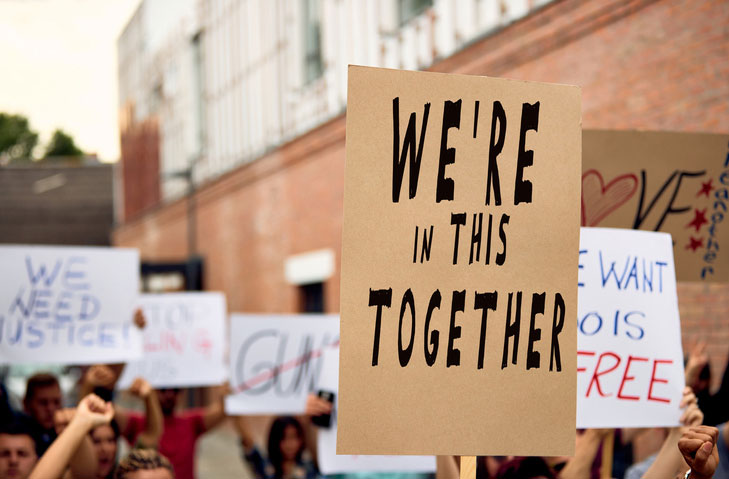
The National Association of Social Workers lists several positions available to MSW holders, including program management, supervisory roles, and social justice advocacy. In California, where the social work career landscape spans everything from school systems to state government, MSW-level practitioners are in demand across sectors.
Job titles for social workers with a master’s degree include:
- Case manager
- Child welfare specialist
- Medical, clinical, or healthcare social worker
- Substance abuse social worker
- Mental health social worker
- School social worker
In addition to qualifying for higher-level and specialized positions, an MSW increases salary potential in many roles. California’s wages for MSW-level positions are generally above the national average — a reflection of the complexity of the work and the ongoing demand for qualified practitioners.
Can an MSW Lead to Research, Academic, or Leadership Roles?
An MSW can serve as the foundation for a leadership or research career, but those paths typically require additional credentials. If you want to teach social work at the university level, lead large-scale research, or publish original scholarship, you’ll likely need a Doctor of Social Work (DSW) or a PhD in social work after earning your master’s.
- Doctor of Social Work (DSW) — practice-focused doctoral degree for advanced clinical and leadership roles
- PhD in Social Work — research-focused doctoral degree for academic and scholarly careers
What Happens After You Get Your MSW?
What comes next depends on where you want to practice and whether you’re pursuing clinical work. In California, social workers who want to provide therapy or work independently in a clinical setting first practice as Associate Clinical Social Workers (ASWs) under the supervision of a licensed clinician.
After completing 3,000 supervised hours and passing required licensing exams, you’re eligible to apply for your LCSW license. From there, the options branch out. You might pursue independent practice, move into supervision of other social workers, take on program leadership, or deepen your specialization through continuing education and professional associations.
Whether you enter clinical work, specialize in child welfare, move into healthcare, or contribute to macro-level policy, California’s need for trained social workers at every level isn’t going away. How will you serve?
Frequently Asked Questions
Do you need a master’s degree to be a social worker in California?
Not for all roles. A BSW typically qualifies you for generalist social work practice, and some roles accept related bachelor’s degrees. But if you want to work clinically, pursue licensure as an LCSW, or specialize in a concentrated area of practice, a master’s degree from a CSWE-accredited program is required. California’s LCSW credential is the only clinical social work license issued by the state, and it’s open only to MSW graduates.
What’s the difference between a BSW and an MSW in terms of what you can do?
A BSW prepares you for generalist practice, working directly with individuals and families, coordinating services, and contributing to community programs. An MSW opens clinical practice, specialization, and the path to supervision roles (typically with licensure and experience). In California, the MSW is also the gateway to LCSW licensure, which allows independent clinical work, including therapy and private practice.
How long does it take to get an MSW in California?
Traditional MSW programs typically take two to three years, including fieldwork. Students who completed relevant undergraduate coursework may qualify for advanced standing programs, which can be finished in one year. After graduation, licensure timelines vary depending on exam scheduling and completion.
Do MSW programs in California include a thesis?
Most don’t. MSW programs emphasize field education over research production. Students complete practicums in real social work settings — hospitals, clinics, schools, and agencies, where they apply theory under the supervision of experienced professionals. This hands-on training is considered central to social work education by the National Association of Social Workers.
Is California different from other states when it comes to social work licensing?
Yes. The California Board of Behavioral Sciences oversees the LCSW credential, the only clinical social work license issued by the state. Only graduates of CSWE-accredited MSW programs can apply. California does not offer a separate BSW-level social work license, making the MSW especially important for practitioners who want a recognized professional credential in the state.
Key Takeaways
- ✓BSW as an entry point — A bachelor’s degree in social work is a common path into the field, and some roles also accept related bachelor’s degrees for generalist positions.
- ✓MSW required for clinical work and licensure — The LCSW credential is the only clinical social work license issued by California, and it requires an MSW from a CSWE-accredited program.
- ✓MSW programs typically take 1–3 years — Traditional programs run two to three years; advanced standing programs can be completed in one year for qualifying applicants.
- ✓Field education, not thesis — Most California MSW programs require supervised practicums, not a research thesis, giving graduates direct real-world experience before entering the field.
- ✓The right program matters — Accreditation, field placement networks, and faculty connections shape early careers — choose a program that fits your long-term goals, not just your current schedule.
California needs social workers at every level — from generalists on the front lines to licensed clinicians providing therapy to people who’ve run out of other options. Find the program that matches your calling.