
In California, involuntary 72-hour mental health holds — called 5150 holds — are still initiated primarily by police officers, not social workers. A 2023 bill that would have changed that, SB 402, passed the full California Senate and two Assembly committees before dying in Assembly Appropriations in August 2024. No successor bill exists. Social workers can initiate holds only when specifically designated by a county behavioral health director, typically through a mobile crisis team.
Taking away a person’s agency and freedom is an awful thing to do, but every social worker has seen situations where there is no real choice.


It happens with the boy deep in the autism spectrum who lashes out and destroys walls, flips tables, breaks car windows, and can’t be calmed down. It happens with people in the grip of substance use disorder who can no longer meet their own most basic needs. It happens when schizophrenia strikes once happy, successful professionals and they engage in self-harm and won’t consent to treatment.
In those moments, California’s social services network has one primary option: the section 5150 of the Welfare and Institutions Code, a 72-hour involuntary hold for mental health evaluation. The law was created by the Lanterman-Petris-Short Act in 1967. For most of the six decades since, initiating that hold has fallen overwhelmingly to law enforcement.
A serious legislative effort tried to change that and came closer than most people realize before stalling out in 2024. Where things stand now says a lot about the forces shaping mental health crisis response in California.
California Social Workers Still Rely on Law Enforcement for 5150 Holds
Under current California law, six categories of people can initiate a 5150 hold: peace officers, emergency physicians (newly added in 2026), professional staff at county-designated treatment facilities, mobile crisis team members, and professionals specifically designated by a county behavioral health director. That last clause is key. Licensed status alone grants no authority. An LCSW in private practice cannot initiate a hold, no matter how many years of experience they carry. County designation which typically means employment on a county mobile crisis team or at an LPS-designated facility, plus county-specific training is the gate.
It’s no secret in the social work community how much danger that creates for people in crisis. Police are trained to manage threats and violent situations. They aren’t trained to talk down someone in a mental health emergency. All too often, they perceive a threat and respond with the tools they have.
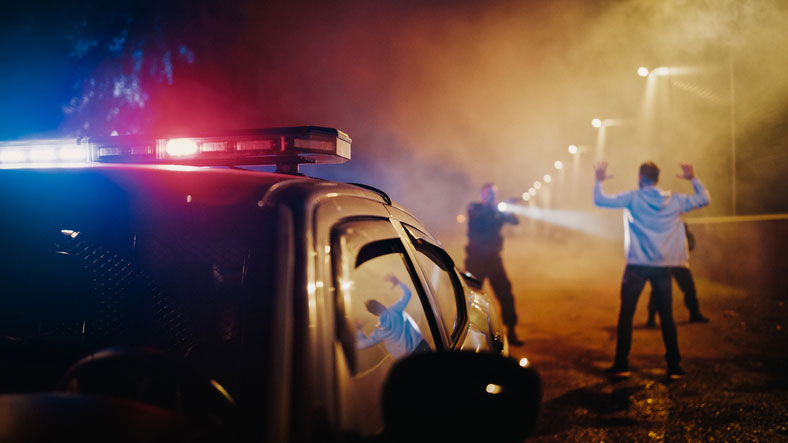
There’s a litany of cases where families, fearing for themselves or their mentally disturbed relatives, have called for help only to watch, horrified, as police kill the individual they called about. Yong Yang, a bipolar Korean American man experiencing an episode, was gunned down by LAPD officers when they arrived to find him holding a knife in his parents’ home in 2024. His parents said he had not been violent before police arrived. In 2013, a Los Banos man named Sonny Lam was killed by a police officer after his father called for help with his declining mental health.
Nationally, more than 1 in 5 people killed by police show signs of a mental health crisis. A significant share of them, like Lam and Yang, are people of color.
This leaves many social workers reluctant to call for police assistance even when a patient needs emergency commitment. Yet in most California communities, there is no other real choice.
What if Social Workers Could Initiate Holds on Their Own?
This is exactly what Senator Aisha Wahab set out to fix when she introduced Senate Bill 402 in 2023. To Wahab, it seemed backwards that the people with the most training in mental health crisis were less empowered than those with the least.
California’s social workers complete rigorous training through MSW programs required for licensure in the state, including de-escalation techniques and skills for communicating with people in altered states. There’s no way to rerun the past and know whether they could have brought Lam or Yang into care without violence. But many people believe their odds would be better than those of police — including many police themselves.
SB 402 gained the support of the California Police Chiefs Association, which would also prefer to keep officers out of these situations when someone poses no immediate danger. There are also practical reasons police welcome the change. Processing a 5150 hold can take an officer off the street for four to five hours — a real burden in jurisdictions already dealing with staffing shortages.
How Far SB 402 Actually Got
The bill traveled further than most coverage suggested. SB 402 passed the full California Senate 37–1 in January 2024, then cleared both the Assembly Health and Assembly Judiciary committees. It died on August 15, 2024, when the Assembly Appropriations Committee held it on the suspense file a procedural move that effectively kills a bill without a floor vote. The 2023–2024 session ended without a revival.
As written in its final form, the bill would have authorized licensed mental health professionals including LCSWs, psychologists, licensed marriage and family therapists, and licensed professional clinical counselors to initiate holds through 2030. But the authority was never meant to be purely license-based. Social workers and other clinicians would have needed to be designated and trained by their county behavioral health director. The county would also control whether and how the detained person could be transported.

Opposition came from groups that don’t usually line up against social workers. The County Behavioral Health Directors Association, Mental Health America of California, and Disability Rights California all testified against the bill. Their core argument: California should be reducing pathways to involuntary commitment, not expanding them. They also raised a legitimate concern that people in need might start avoiding social workers entirely if they knew a clinical conversation could end in a hold.
It’s a genuine tension. Social workers understand both the dignity of personal freedom and the community’s interest in safety. That’s precisely why many in the field believe the judgment call belongs with them — people trained in exactly that balance — rather than with officers who aren’t.
Social Workers Already Hold This Authority in Other States
What SB 402 proposed wouldn’t have been unprecedented. Social workers in eight states can already initiate emergency commitments without additional requirements beyond their license. Six others allow them to start the process subject to judicial review. The argument that California would be breaking new ground doesn’t hold up against the map.
Within California, the question isn’t entirely hypothetical either. Social workers on LA County’s Psychiatric Mobile Response Team many of whom hold a mental health and substance use specialization have long performed crisis evaluations and completed 5150 applications for involuntary holds. Their authority comes from county designation as mobile crisis team members — exactly the mechanism SB 402 would have formalized at the state level for a broader class of licensed clinicians.
Since the bill’s defeat, LA County has significantly expanded that model. The county now operates a 24/7 Alternative Crisis Response system with dozens of field intervention teams, a transformation that was declared complete in December 2023. Counties including San Francisco, San Diego, and Alameda have built comparable programs. All of them operate within the same statutory framework that’s been in place for years. None of them are evidence that the legislature has resolved the underlying question SB 402 was asking.
Where Things Stand in 2026
No successor to SB 402 has been introduced in the 2025–2026 legislative session. The only change to 5150 initiation authority since the bill’s defeat is AB 416, signed by Governor Newsom in October 2025 and effective January 1, 2026. That bill added emergency physicians to the authorized list — a narrower change than SB 402 proposed, and one that doesn’t include social workers, marriage and family therapists, or licensed counselors.
California’s broader mental health landscape continues to shift. SB 43, which expanded the definition of “gravely disabled” to include severe substance use disorder, is now in effect in all 58 counties as of January 2026. The CARE Act, which created a civil court process for people with serious mental illness, is fully statewide. Governor Newsom announced new CARE Court accountability measures and $291 million in services funding in March 2026. These are meaningful changes to how California responds to psychiatric crisis, but none of them touch who can initiate a 72-hour hold.
For licensed clinical social workers in California, the answer to the central question SB 402 raised is the same as it was when Senator Wahab first introduced it: you need a county badge, not just a license. Whether those changes will depend on whether the legislature is willing to revisit the question and whether disability rights advocates and behavioral health directors can be brought along.
Frequently Asked Questions
What is a 5150 hold in California?
A 5150 hold is a 72-hour involuntary psychiatric detention under Section 5150 of California’s Welfare and Institutions Code. It allows authorized individuals to detain someone who, due to a mental health disorder, poses a danger to themselves or others or is gravely disabled. The hold enables evaluation and treatment without the person’s consent. It was established by the Lanterman-Petris-Short Act in 1967.
Can a social worker initiate a 5150 hold in California?
Only in limited circumstances. A social worker can initiate a 5150 hold if they have been specifically designated by a county behavioral health director, which typically means working on a county mobile crisis team or at a licensed facility with that designation. A licensed clinical social worker in private practice does not have this authority. License status alone is not enough under current California law.
Why did SB 402 fail in California?
SB 402 passed the full Senate and cleared two Assembly policy committees before dying in Assembly Appropriations in August 2024. Opposition came from disability rights advocates, the County Behavioral Health Directors Association, and mental health consumer groups, who argued the bill would expand pathways to involuntary commitment and might cause people to avoid seeking care. Unresolved questions about transportation logistics also contributed to the bill’s defeat.
Is there a new bill to give social workers 5150 authority in 2025 or 2026?
No. No successor to SB 402 has been introduced in the 2025–2026 legislative session. The most recent change to 5150 authority was AB 416, signed in October 2025, which added emergency physicians to the authorized list but did not extend authority to social workers, marriage and family therapists, or licensed counselors.
How are other California counties handling mental health crisis response without law enforcement?
Several counties have significantly expanded mobile crisis teams staffed by mental health clinicians who respond to psychiatric emergencies without police. Los Angeles County’s Alternative Crisis Response program operates 24/7 across the county. San Francisco, San Diego, Alameda, and Sacramento have comparable programs. Clinicians on these teams can initiate 5150 holds because of their county designation — the same mechanism SB 402 would have made available statewide based on licensure alone.
Key Takeaways
- ✓License alone isn’t enough — California LCSWs and other licensed mental health professionals can only initiate a 5150 hold if specifically designated by a county behavioral health director, typically through a mobile crisis team or designated facility.
- ✓SB 402 went further than most people know — The bill passed the Senate 37–1 and cleared two Assembly committees before dying in Assembly Appropriations in August 2024, with no reintroduction in the current session.
- ✓The most recent change excluded social workers — AB 416, effective January 1, 2026, added emergency physicians to the authorized list but did not extend authority to LCSWs, MFTs, or LPCCs.
- ✓Other states have already moved — Social workers in eight states can initiate emergency commitments based on license alone; six more allow them to start the process with judicial review.
- ✓County programs are growing, but the statute hasn’t changed — LA County’s 24/7 Alternative Crisis Response system and similar programs across California show the model works, but all operate under the same county-designation framework that SB 402 sought to replace.
California’s mental health crisis doesn’t wait for legislative sessions to resolve. The clinicians best positioned to respond to it need the training to act — and the authority to match. Find the program that prepares you for both.