Social justice is one of the six core values of the social work profession. In California, social workers advance social justice by addressing systemic inequities affecting LGBTQ youth, incarcerated juveniles, immigrants, veterans, and unhoused communities — using direct practice, advocacy, policy development, and community organizing to create lasting change.
California is home to numerous social justice organizations, from legal assistance nonprofits to youth-run racial justice groups. The Golden State's long history of activism, advocacy, and civil rights movements primed Californians for the powerful network of social service agencies and social work professionals committed to serving communities across California.



Notable Social Justice Movements in California
- 1950 — The Mattachine Society was founded in Los Angeles to protect and improve the rights of gay men.
- Starting in 1960 — The Civil Rights Movement in the Bay Area fought for equality and fairness in education, housing, and employment opportunities for African Americans.
- Late 1960s — The Chicano Movement (El Movimiento) advocated for social and political empowerment through cultural nationalism.
- 1985 — Heal the Bay was founded by environmental activist Dorothy Green in Los Angeles to protect public health from polluted water in the Santa Monica Bay.
- 1990s — The Justice for Janitors movement in Los Angeles sought to improve working conditions for workers in the janitorial services industry, most of whom were immigrants from Central America.
Source: Los Angeles History and Culture in Library Special Collections
The societal implications of unchecked social injustice include deteriorated mental health among Californians, higher levels of homelessness, unemployment, and incarceration across the state, and an overall increased health burden.
Minority stress theory plays a significant role in social justice research and informs social work practice and mental health care for stigmatized minority populations. Built on the social causation hypothesis, minority stress theory emphasizes the combination of external and internal stressors that cause poor health outcomes in people who endure social prejudice, discrimination, and isolation.
This is where social work practice comes in.
What Is Social Justice in Social Work?
The most accurate way to define social justice in social work is to say that social workers contribute to creating a more just and equitable society by addressing the root causes of social problems and promoting systemic change — which is a tall order in California's racially, culturally, and economically diverse communities.
NASW Code of Ethics
Social justice is one of the six core values of the social work profession. It encompasses poverty, unemployment, and discrimination and promotes the fair division of resources, opportunities, and privileges in society.
The National Association of Social Workers (NASW) Code of Ethics states that:
"Social workers pursue social change, particularly with and on behalf of vulnerable and oppressed individuals and groups of people. Social workers' social change efforts are focused primarily on issues of poverty, unemployment, discrimination, and other forms of social injustice. These activities seek to promote sensitivity to and knowledge about oppression and cultural and ethnic diversity. Social workers strive to ensure access to needed information, services, and resources; equality of opportunity; and meaningful participation in decision making for all people."
Among NASW's most pressing social justice priorities are:
- Voters rights
- Immigration
- Economic justice
- Criminal and juvenile justice
- Environmental justice
Californians face challenges in each of these areas every day.
How Do Social Workers Promote Social Justice?
Social workers employ a variety of interventions to advance social justice among all California communities. The NASW Code of Ethics preamble notes that the following social justice activities are commonly practiced by social workers at all levels, including licensed clinical social workers (LCSW):
- Direct practice
- Community organizing
- Supervision
- Consultation
- Administration
- Advocacy
- Social and political action
- Policy development and implementation
- Education
- Research and evaluation
Social institutions throughout the state must be aware of the needs of all Californians and the most detrimental social injustices that affect their communities. By intervening in external socio-cultural factors — such as educating parents and teachers on LGBT issues or advocating for the rights of migrants — social workers mitigate the internal stressors, including gender dysphoria and fear of rejection, that cause psychological distress.
Whether you practice at the micro or macro level, effectively promoting social justice among individuals and large-scale statewide systems is a monumental contribution to disenfranchised groups throughout California.
Juvenile Justice Social Workers in California
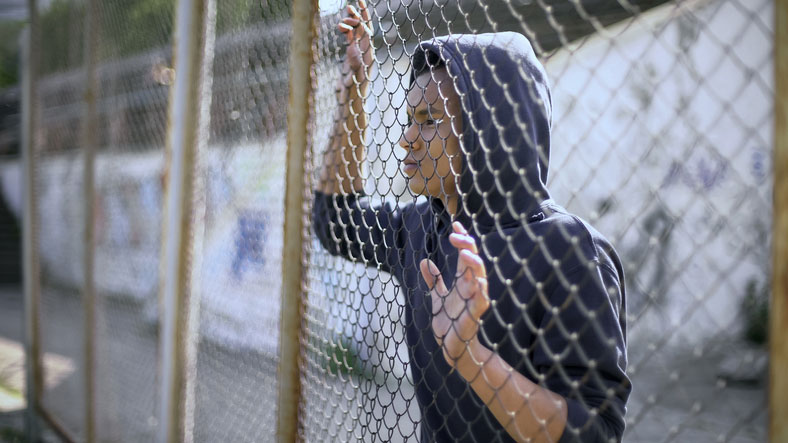
Juvenile justice social workers are integral to ensuring that youth in detention centers receive the care, treatment, and services they are lawfully entitled to. In 2015, the Bureau of Children's Justice (BCJ) was established under the California Department of Justice to ensure equal opportunities for every child in the state. Criminal and juvenile justice social work has become an increasingly active frontier as the state continues to reform its approach to youth detention.
On March 14, 2023 — three months before California's Division of Juvenile Justice shuttered its correctional facilities — Attorney General Rob Bonta sent a recommendation letter to the California Board of State and Community Corrections urging them to "take additional steps to strengthen protections for justice-involved youth." The Attorney General suggested several amendments to Title 15, most of which require the skills, knowledge, and ethical aptitude of a highly qualified juvenile justice social worker.
For example, juvenile justice social workers can train staff regarding adverse childhood experiences (ACEs), adolescent development, and positive behavior interventions and supports as recommended by the Attorney General's Office. ACEs include experiencing or witnessing violence at home or in the community; being abused or neglected; being raised in a family with mental health or substance abuse disorders; having an incarcerated family member; or experiencing the death of a parent or sibling.
Adverse childhood experiences also include experiences of social inequities such as:
- Living in poverty
- Being separated from family
- Being the target of racism
- Experiencing discrimination based on sexual orientation, gender identity, national origin, or immigration status
Juvenile justice social workers can also facilitate grievance and abuse reporting, contribute to policies and procedures regarding the use of force, and ensure compliance from staff.
LGBTQ Social Work
Social workers who specialize in social justice for the LGBTQ community empower clients by embedding a variety of protective factors into their lives and relationships. LGBT youth interventions that rely on social justice measures include:
- Antibullying laws. Policies that include sexual orientation and gender identity reduce incidents of harassment.
- Gay-Straight Alliances (GSAs). These school-based, student-led clubs mitigate suicide attempts by LGBTQ youth.
- LGBT-focused policy and inclusive curricula. These protective factors contribute to greater feelings of acceptance and better mental health among LGBT students.
- LGBT-specific training for teachers, staff, and administrators. LGBTQ social workers foster understanding and empathy, leading to increased protection from bullying.
- Strategies that promote relationships with supportive peers and friends. Heterosexual youth who have LGBTQ friends exhibit more LGBTQ-affirming behavior.
- Parental and peer support. Sexual orientation- and gender identity-specific support are more strongly linked to decreased mental stress than general support.
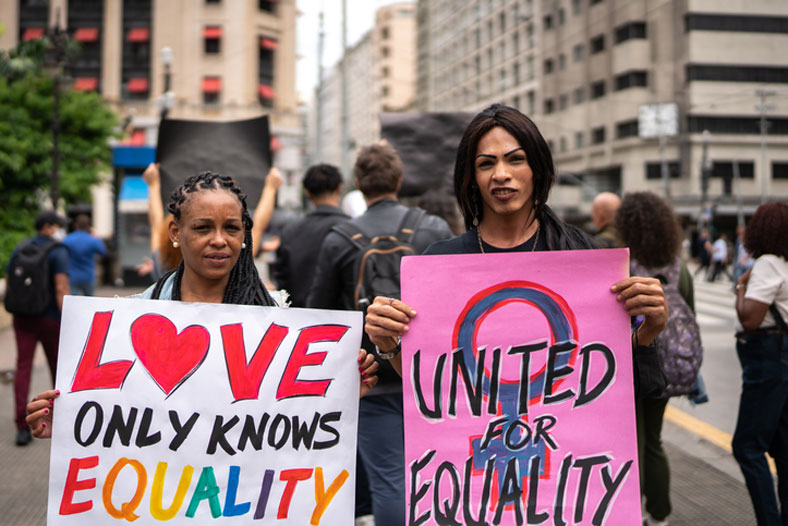
The review of LGBT youth studies from which this list of protective factors was compiled emphasizes the importance of social justice interventions that promote acceptance, sensitivity, and knowledge to reduce mental and physical health disparities among the LGBTQ population.
Social workers also help LGBT youth navigate the social barriers related to dating same-sex partners, such as:
- Limited access to romantic partners
- Minority stressors specific to pursuing relationships with same-sex partners
- Restriction of same-sex romantic behavior in educational settings
California LGBTQ Legislation
California has several laws that support LGBTQ rights, including California Assembly Bill 665, approved on October 7, 2023, which allows youth 12 years of age or older to consent to mental health care services — whether covered by Medi-Cal or private health plans — and eliminates an eligibility disparity that places lower-income youth at a disadvantage. The act also adds licensed clinical social workers, associate clinical social workers, and social work interns working under supervision to the definition of "professional person."
With locations in Los Angeles, Sacramento, and San Francisco, Equality California has sponsored several bills and resolutions for LGBTQ+ Californians, including:
- AB 5: Safe and Supportive Schools Program
- AB 783: All-Gender Restroom Access
- SB 345: Safe Haven for Abortion and Gender-Affirming Care
- SB 407: LGBTQ+ Foster Youth Protections
- SB 760: All-Gender Restrooms For Students
- SB 857: LGBTQ+ Student Task Force
Each of the measures above were signed into law by Governor Newsom on September 23, 2023.
Social Justice & Environmental Justice for the Homeless, Veterans, and Immigrants
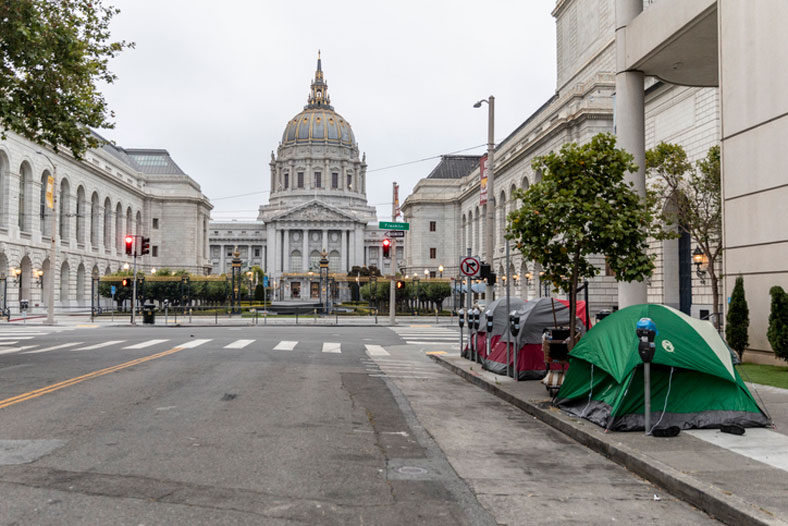
According to Cause IQ, California is home to 1,642 civil rights and advocacy organizations that serve disadvantaged groups affected by homelessness, gender and racial discrimination, voting rights violations, economic inequality, disability and employment discrimination against veterans, and other key social justice issues. Homelessness and social work in California and immigration social work represent two of the fastest-growing areas of practice in this space. State agencies, nonprofits, and NGOs promote a wide range of social justice initiatives and employ social workers across California.
Los Angeles and West Hollywood
- Los Angeles LGBT Center
- Trevor Project
- Policing Equity
- ACLU Foundation of Southern California
- Coalition for Humane Immigrant Rights
- Advancement Project
- United States Veterans Initiative
- Veterans Advocacy Group of America
- Community Veteran Justice Project
- Big Sunday
San Francisco, Oakland, and Berkeley
- Neighborhood Funders Group
- Anti-Police Terror Project
- American Civil Liberties Union of Northern California
- Access Reproductive Justice
- California Pan-Ethnic Health Network
- Swords to Plowshares
Sacramento
- NorCal Resist
- The Community Governance Partnership
- Sacramento Chinese Community Service Center (SCCSC)
- Community Justice Alliance
- Women's Empowerment
- Chinese American Council of Sacramento
- Environmental Justice League of California
California offers countless opportunities for social workers with a powerful commitment to social change and the relentless pursuit of social justice. With the highest paying social work jobs in the United States, the state continues to draw professionals ready to do this work. Discover more about other social work specializations in California.
Frequently Asked Questions
What is social justice in social work?
Social justice in social work means advocating for equitable access to resources, opportunities, and rights for all people — especially those who face systemic discrimination. The NASW Code of Ethics names social justice as one of the profession's six core values, encompassing issues of poverty, unemployment, and discrimination.
How do social workers promote social justice in California?
California social workers promote social justice through direct practice, community organizing, policy development, advocacy, and education. They work within systems — schools, juvenile detention facilities, healthcare settings, and nonprofits — to reduce inequities and protect the rights of marginalized communities.
What populations do social justice social workers serve in California?
Social justice social workers in California serve a wide range of populations, including LGBTQ youth, justice-involved juveniles, immigrants, unhoused individuals, veterans, and communities affected by racial and economic inequality. California's 1,642 civil rights and advocacy organizations provide employment across the state's major metro areas and rural regions.
What California laws support LGBTQ social work?
California Assembly Bill 665, signed in 2023, allows youth 12 and older to consent to mental health care and expands who qualifies as a "professional person" to include licensed clinical social workers and associates. Equality California has also sponsored legislation including the Safe and Supportive Schools Program and LGBTQ+ Foster Youth Protections.
What is the role of juvenile justice social workers in California?
Juvenile justice social workers in California ensure that youth in detention centers receive legally mandated care and services. Following the closure of the Division of Juvenile Justice facilities in 2023, their role expanded to include staff training on adverse childhood experiences, grievance reporting, and compliance with Title 15 protections for justice-involved youth.
Key Takeaways
- ✓Social Justice Is a Core Value — The NASW Code of Ethics names social justice as one of six foundational values, guiding everything from direct practice to statewide policy advocacy.
- ✓California Has Deep Roots in Social Justice — From the Mattachine Society in 1950 to today's LGBTQ+ legislation, California's history of activism shapes the social work landscape in every region of the state.
- ✓Juvenile Justice Is an Active Frontier — With the closure of state juvenile correctional facilities in 2023, social workers play an increasingly critical role in protecting the rights and welfare of justice-involved youth.
- ✓LGBTQ Social Work Requires Specific Skills — Protective factors like GSAs, inclusive curricula, and parental support are evidence-based interventions that social workers integrate into LGBTQ youth practice.
- ✓California Has 1,642 Civil Rights Organizations — Social workers specializing in social justice have extensive employment opportunities across homelessness, immigrant rights, veterans advocacy, and environmental justice sectors.
California's communities need social workers who understand that justice isn't abstract — it's the difference between a child aging out of foster care alone and one who has someone fighting for them. Find the program that matches your calling.
Find Your MSW Program